
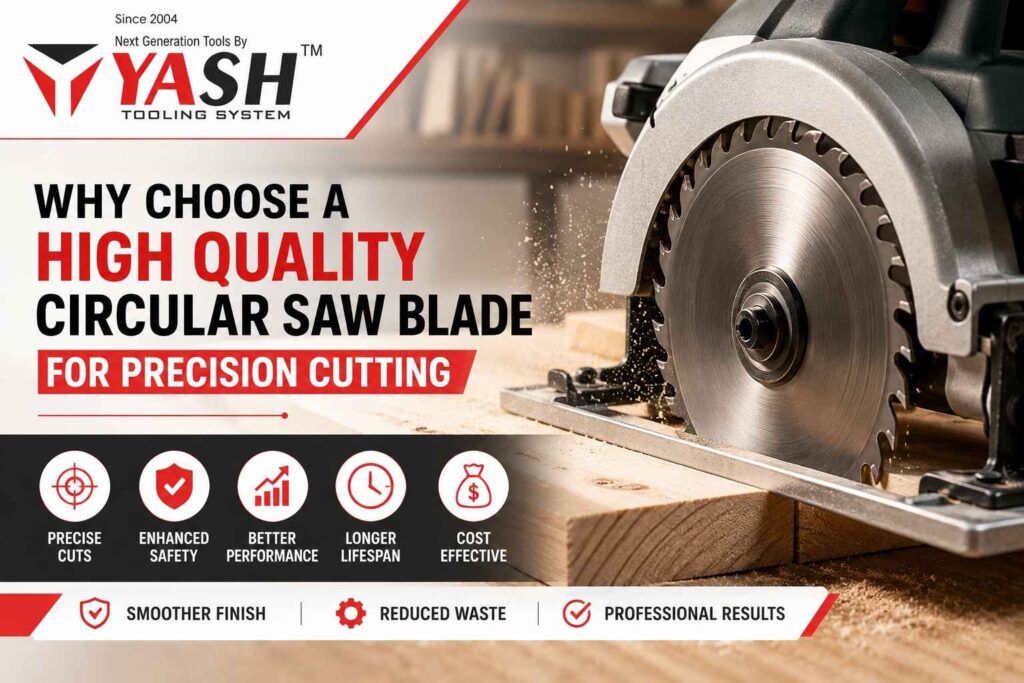
A Circular Saw Blade is one of the most important tools for achieving clean, accurate, and efficient cuts. Whether you are working on furniture manufacturing, cabinetry, construction, interior projects, or DIY woodworking, the quality of your blade directly impacts the final result. A sharp and well-designed blade not only improves cutting precision but also helps reduce material waste, save time, and deliver a smoother finish.
Many professionals invest in high-performance saws but underestimate the importance of using a premium Circular Saw Blade. Even the best machine cannot produce flawless results if the blade is dull, poorly balanced, or unsuitable for the material being cut. In contrast, a high-quality blade stays sharper for longer, reduces vibration, improves operator control, and performs consistently even during demanding cutting tasks.
Choosing the right Circular Saw Blade is not simply about getting the job done. It is about improving productivity, enhancing safety, and achieving professional-quality results with every cut. In this guide, you’ll discover what makes a Circular Saw Blade high quality, why it matters for precision cutting, and how selecting the right blade can benefit both professionals and DIY users in the long run.
What Makes a Circular Saw Blade High Quality?
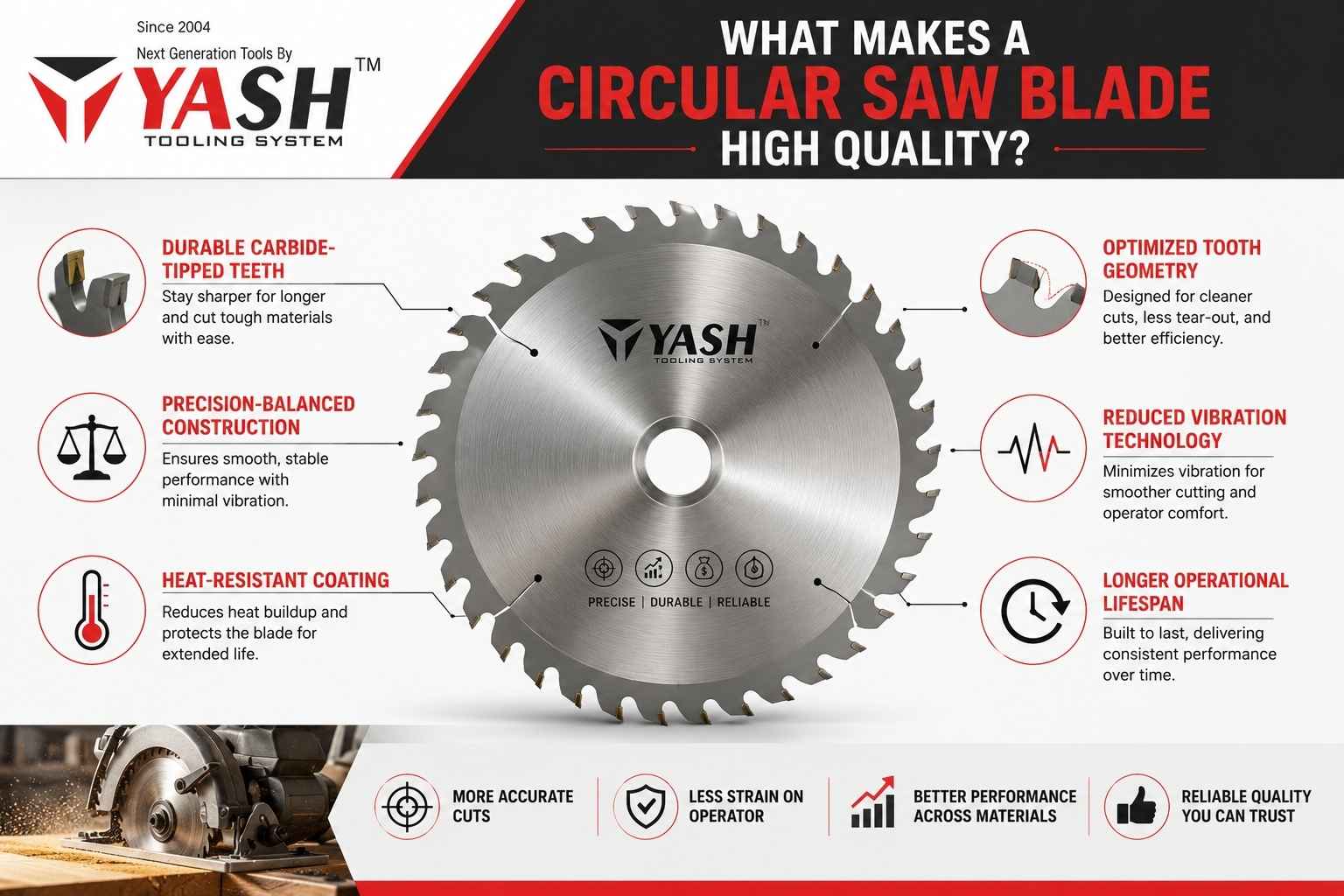
At first glance, most circular saw blades look similar. The differences become obvious once you start cutting.
A high-quality circular saw blade is designed with premium materials, precision-engineered teeth, and advanced manufacturing processes. These features help the blade maintain sharpness longer, reduce vibration, and deliver cleaner cuts across different materials.
Key characteristics often include:
- Durable carbide-tipped teeth
- Precision-balanced construction
- Heat-resistant coating
- Optimized tooth geometry
- Reduced vibration technology
- Longer operational lifespan
The combination of these features allows the blade to cut more accurately while putting less strain on both the operator and the machine.
Precision Cutting Starts with the Blade
When working on cabinetry, furniture, flooring, or structural projects, even a small cutting error can create noticeable problems. A quality blade helps ensure that every cut follows the intended line with minimal deviation.
Poor-quality blades often produce:
- Chipped edges
- Uneven cuts
- Excessive tear-out
- Material wastage
- Additional finishing work
A premium blade, on the other hand, delivers smooth and consistent results. This level of accuracy is especially valuable when cutting expensive materials where mistakes can become costly.
Think about custom furniture manufacturing. A slight imperfection in a visible edge may require sanding, trimming, or even replacing the entire piece. Investing in a better blade often saves far more money than it costs.
Improved Surface Finish Reduces Rework
One of the biggest advantages of a high-quality circular saw blade is the superior finish it leaves behind.
Clean cuts mean:
- Less sanding
- Faster assembly
- Improved appearance
- Better fitting components
- Reduced labor costs
In professional workshops, time spent correcting rough cuts adds up quickly. A blade that consistently produces smooth edges can significantly improve overall productivity.
For businesses handling large volumes of cutting work, reducing rework can make a noticeable difference in project timelines and profitability.
Longer Blade Life Means Better Value
It’s easy to focus on the purchase price of a blade. However, experienced professionals typically look at cost per cut rather than upfront cost alone.
High-quality circular saw blades are engineered to stay sharper for longer periods. Their carbide tips resist wear, allowing them to maintain cutting performance through extensive use.
Benefits of extended blade life include:
- Fewer blade replacements
- Reduced downtime
- Lower maintenance costs
- Consistent cutting performance
A cheaper blade may seem economical initially, but frequent replacements and inconsistent results often make it more expensive over time.
Enhanced Safety During Operation
Safety is often overlooked when discussing saw blades, yet it is one of the most important considerations.
Dull or poorly manufactured blades can increase the risk of:
- Kickback
- Binding
- Excessive vibration
- Overheating
- Operator fatigue
High-quality blades are designed to cut efficiently with less resistance. Because the blade moves through material more smoothly, there is less strain on the saw and reduced likelihood of dangerous cutting situations.
A smoother cutting experience also gives operators greater control, particularly when working with demanding materials or making precision cuts.
Better Performance Across Different Materials
Not all projects involve the same material. A professional workshop may work with hardwood, softwood, plywood, MDF, laminate, or composite materials throughout the week.
Premium circular saw blades are often designed to perform effectively across a broader range of applications.
Depending on the blade type, you can achieve excellent results when cutting:
- Hardwood
- Softwood
- Plywood
- MDF boards
- Laminated panels
- Engineered wood products
- Non-ferrous metals
This versatility makes high-quality blades a practical investment for professionals who need reliable performance every day.
Reduced Heat and Vibration
Heat is one of the biggest enemies of blade performance.
When excessive heat builds up during cutting, it can lead to:
- Blade warping
- Reduced sharpness
- Poor cut quality
- Shorter blade lifespan
High-quality circular saw blades often include expansion slots and specialized coatings that help dissipate heat more effectively.
At the same time, precision balancing reduces vibration. Less vibration means smoother cuts, better control, and a more comfortable experience for the operator.
The difference is noticeable, especially during long work sessions where consistency becomes increasingly important.
High-Quality vs Standard Circular Saw Blade
| Feature | High-Quality Blade | Standard Blade |
|---|---|---|
| Cutting Accuracy | Precise and clean cuts | Uneven cuts |
| Blade Lifespan | Longer-lasting | Wears out faster |
| Surface Finish | Smooth edges | Rough finish |
| Safety | Better stability and control | Higher risk of vibration |
| Productivity | Less rework required | More finishing work |
A high-quality circular saw blade helps achieve cleaner cuts, improved efficiency, and better long-term value, making it a smart choice for both professionals and DIY users.
How to Choose the Right Circular Saw Blade
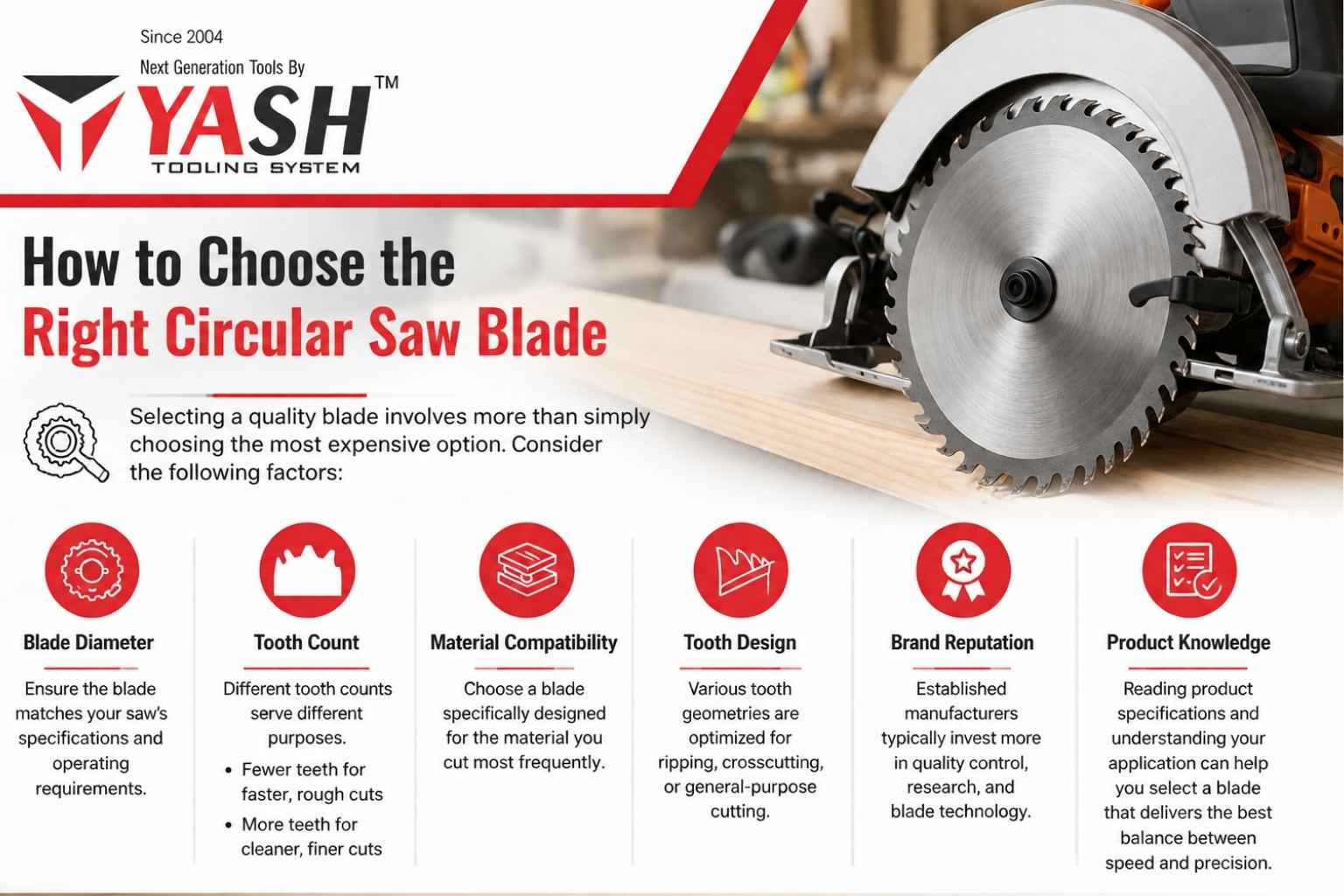
Selecting a quality blade involves more than simply choosing the most expensive option.
Consider the following factors:
Blade Diameter
Ensure the blade matches your saw’s specifications and operating requirements.
Tooth Count
Different tooth counts serve different purposes.
- Fewer teeth for faster, rough cuts
- More teeth for cleaner, finer cuts
Material Compatibility
Choose a blade specifically designed for the material you cut most frequently.
Tooth Design
Various tooth geometries are optimized for ripping, crosscutting, or general-purpose cutting.
Brand Reputation
Established manufacturers typically invest more in quality control, research, and blade technology.
Reading product specifications and understanding your application can help you select a blade that delivers the best balance between speed and precision.
Why Professionals Rarely Compromise on Blade Quality
Ask experienced woodworkers, fabricators, or contractors where precision comes from, and many will point to the blade before they mention the saw itself.
A high-quality circular saw blade affects nearly every aspect of the cutting process:
- Accuracy
- Efficiency
- Safety
- Surface finish
- Productivity
- Long-term operating costs
The blade is the component that directly interacts with the material. Even the most advanced saw cannot compensate for a poor-quality blade.
Industries That Depend on High Quality Circular Saw Blades
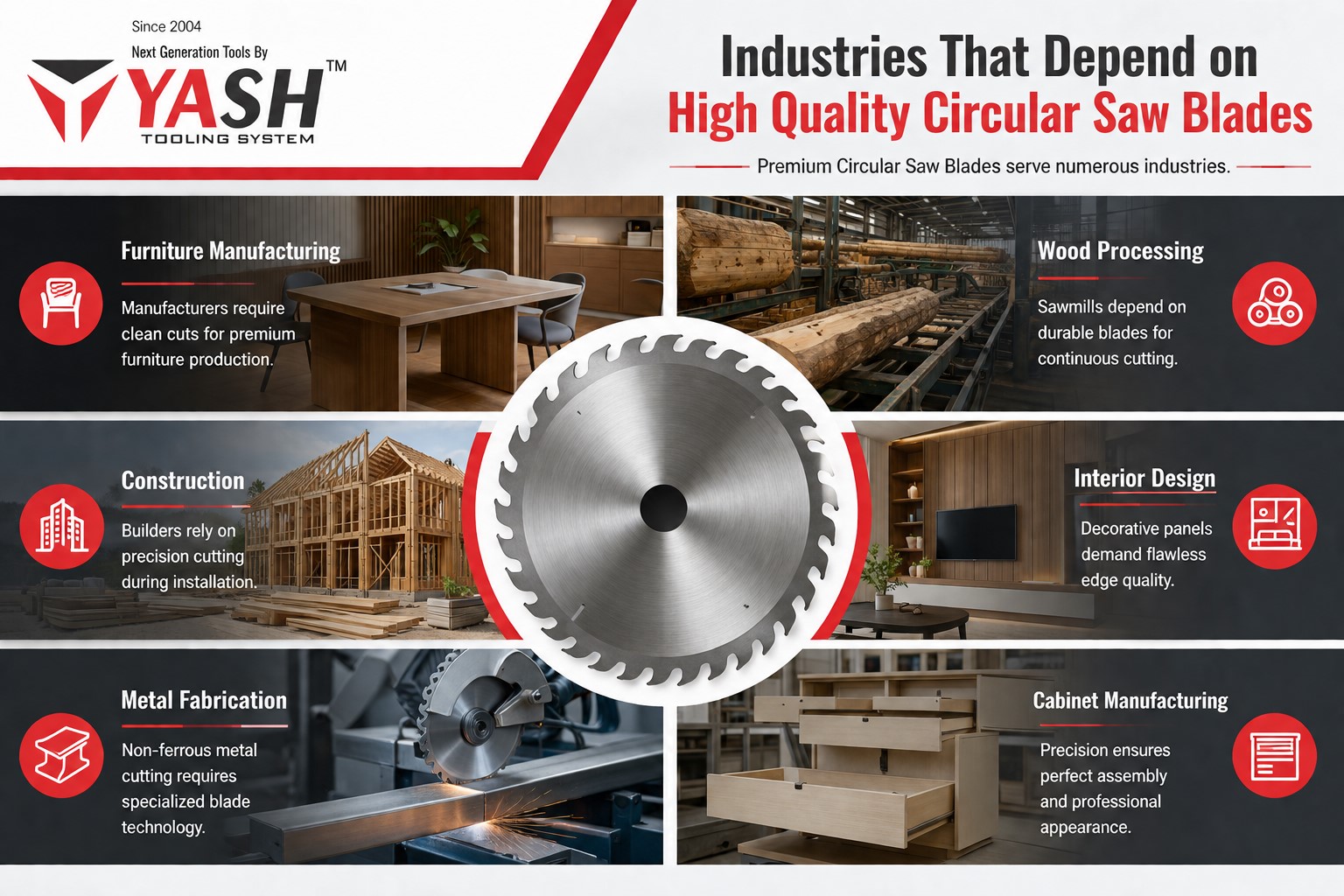
Premium Circular Saw Blades serve numerous industries.
1. Furniture Manufacturing
Manufacturers require clean cuts for premium furniture production.
2. Wood Processing
Sawmills depend on durable blades for continuous cutting.
3. Construction
Builders rely on precision cutting during installation.
4. Interior Design
Decorative panels demand flawless edge quality.
5. Metal Fabrication
Non-ferrous metal cutting requires specialized blade technology.
6. Cabinet Manufacturing
Precision ensures perfect assembly and professional appearance.
Why Professional Manufacturers Choose Premium Circular Saw Blades
Experienced manufacturers understand that cutting quality directly affects business profitability.
A premium Circular Saw Blade delivers:
- Greater precision
- Reduced downtime
- Better productivity
- Lower maintenance
- Higher customer satisfaction
Instead of replacing inexpensive blades repeatedly, professionals invest in quality once and enjoy consistent performance over thousands of cuts.
This strategy reduces long-term costs while improving manufacturing efficiency.
Frequently Asked Questions About High-Quality Circular Saw Blades
A high-quality circular saw blade delivers cleaner cuts, better accuracy, improved safety, and a longer lifespan compared to standard blades.
Consider factors such as blade diameter, tooth count, material type, and the kind of cut you need to make before selecting a blade.
Yes. Blades with fewer teeth are ideal for fast cuts, while blades with more teeth provide smoother and more precise finishes.
The lifespan depends on usage, material type, and maintenance. Premium blades generally last much longer than lower-quality alternatives.
Many carbide-tipped circular saw blades can be professionally sharpened multiple times before they need replacement.
No FAQ found.
Depending on the blade type, circular saw blades can cut wood, plywood, MDF, laminate, plastic, and certain non-ferrous metals.
Common signs include burn marks, rough cuts, excessive vibration, slower cutting speeds, and visible tooth damage.
In most cases, yes. Higher-quality blades offer better performance, reduced material waste, and lower long-term operating costs.
Regular cleaning, proper storage, using the correct blade for the material, and avoiding overheating can help extend blade life.
General-purpose blades can handle many tasks, but specialized blades often provide better results for specific materials and cutting requirements.
No FAQ found.
Final Thoughts on Choosing the Right Circular Saw Blade
Precision cutting depends on more than just a powerful saw. The quality of your Circular Saw Blade plays a crucial role in achieving clean cuts, smooth finishes, and consistent results. Choosing a high-quality blade not only improves accuracy but also reduces material waste, minimizes downtime, and enhances overall productivity.
Whether you are a professional contractor, furniture manufacturer, workshop owner, or DIY enthusiast, investing in a premium Circular Saw Blade is a practical decision that delivers long-term value. With better durability, improved safety, and reliable cutting performance, the right blade helps you complete every project with confidence and efficiency. When every cut matters, choosing quality is always a smart investment.