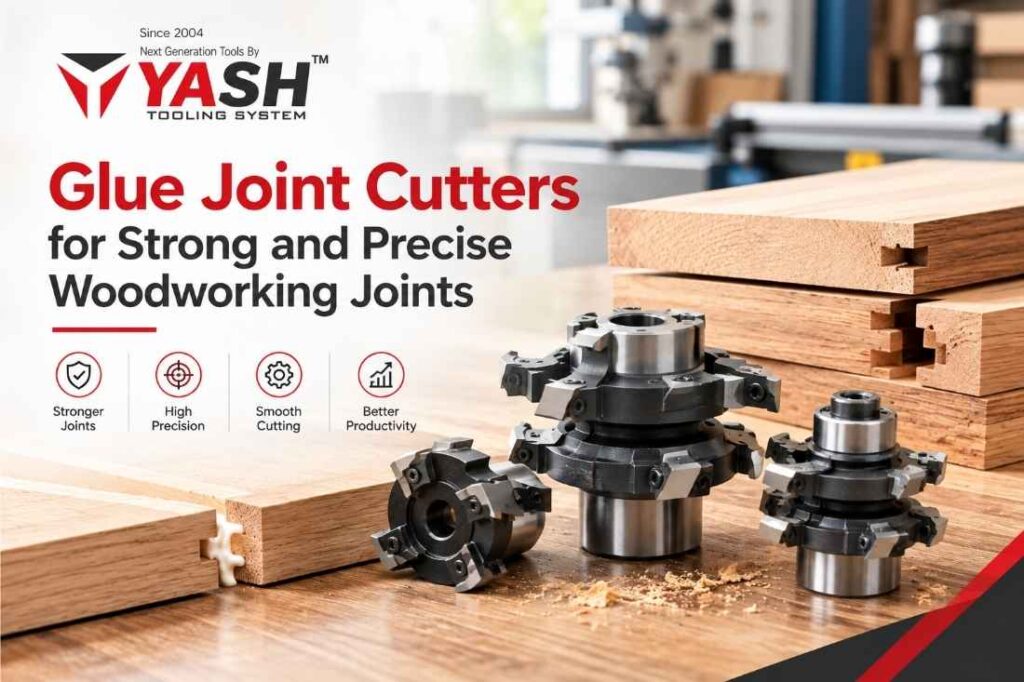
Woodworking requires accuracy, durability, and consistent finishing, especially when manufacturers join multiple wooden pieces to create furniture, panels, doors, and other products. A strong joint helps improve product stability, while a precise cutting profile creates a larger bonding surface between adjoining pieces. This is where Glue Joint Cutters play an important role in modern woodworking and furniture manufacturing.
These specialized cutting tools create interlocking profiles along the edges of wooden components. When manufacturers apply suitable adhesive and bring the matching profiles together, the joint can provide reliable alignment and a strong bond. As a result, woodworking businesses can improve material utilization, maintain consistent production quality, and produce components for a wide range of applications.
However, choosing the right cutter requires more than comparing prices. Manufacturers must consider the material, machine compatibility, cutter geometry, operating conditions, and desired finish. Understanding these factors helps businesses select tooling that meets their production requirements.
What Are Glue Joint Cutters?
Glue joint cutters are specialized woodworking tools that shape matching profiles along the edges of wooden pieces. These profiles increase the effective bonding area and help the pieces align during assembly. Depending on the cutter design, the resulting joint may feature a zigzag, finger-like, or other interlocking profile.
Woodworking manufacturers use these tools when they need to join shorter pieces of timber, prepare edge-to-edge connections, or produce components for furniture and panel manufacturing.
Unlike a basic straight cutter, a glue joint cutter creates a defined profile that requires accurate alignment between the mating edges. Consequently, cutter geometry and machine setup directly influence the quality of the finished joint.
How a Glue Joint Cutter Works
The cutting process begins when the operator prepares the wooden workpieces and selects a suitable cutter profile. The machine then removes material from each edge to create complementary shapes.
Next, the operator checks the profiles for accuracy and applies an appropriate adhesive. Once the matching edges meet, the adhesive bonds the prepared surfaces together.
The final strength depends on several factors, including wood species, moisture content, surface quality, adhesive selection, clamping pressure, and curing conditions. Therefore, even a well-designed cutter requires correct operating practices to deliver consistent results.
Common Applications in Woodworking
Manufacturers use glue joint profiles in various applications, including:
- Solid wood panel production
- Furniture components
- Tabletops and worktops
- Door and cabinet components
- Timber edge joining
- Wooden boards and laminated assemblies
- Selected joinery and interior woodworking projects
The exact application depends on the cutter’s geometry, dimensions, and the material being processed.
Benefits of Using Glue Joint Cutters in Woodworking
Modern woodworking operations need tools that support both production efficiency and finished-product quality. A suitable cutter can help manufacturers achieve these goals when they pair it with correct machine settings and assembly procedures.
1. Improved Bonding Surface
A shaped joint can provide more effective contact area than a simple square-edge connection, depending on its profile. This additional contact can support adhesive bonding and help create a reliable connection between compatible wooden pieces.
However, a larger profile alone does not guarantee a stronger joint. Correct machining, adhesive coverage, and curing remain essential.
2. Better Alignment During Assembly
Matching profiles can help guide the workpieces into position. This feature proves useful when operators assemble multiple components or prepare boards for panel production.
Moreover, consistent profiles reduce unnecessary adjustments and help maintain uniformity across repeated production runs.
3. Efficient Use of Wood Material
Woodworking businesses often need to use available timber efficiently. Glue jointing can help join suitable shorter pieces into longer components, depending on the product design and structural requirements.
Consequently, manufacturers may reduce waste and improve material utilization. Nevertheless, they should evaluate defects, grain direction, and the intended load before combining separate pieces.
4. Consistent Production Quality
A properly maintained cutter can produce repeatable profiles when the machine, workpiece, and cutting parameters remain consistent.
This repeatability helps manufacturers maintain product dimensions and reduce the need for corrective finishing. In addition, regular inspection allows operators to identify wear before it significantly affects production quality.
How to Choose the Right Glue Joint Cutters
Selecting suitable tooling is essential for achieving accurate profiles and dependable production results. Before purchasing a cutter, evaluate the following factors.
1. Cutter Profile and Dimensions
First, identify the joint profile required for the finished component. Different applications call for different tooth shapes, profile depths, and cutting dimensions.
Check the following specifications:
- Cutter diameter
- Cutting width
- Bore or mounting dimensions
- Profile geometry
- Number and arrangement of cutting edges
- Required joint dimensions
Always compare these specifications with the machine and the intended workpiece.
2. Material Compatibility
Wood species and engineered wood products behave differently during machining. Solid hardwood, softwood, plywood, and other panel materials may require different cutting approaches.
Therefore, consider the material’s hardness, grain structure, moisture content, and potential for chipping. The cutter manufacturer can help identify an appropriate tool for the intended application.
3. Machine Compatibility
A cutter must match the woodworking machine’s specifications. Check the spindle or arbor dimensions, permitted cutter diameter, machine capacity, and the manufacturer’s operating instructions.
Never exceed the cutter’s rated rotational speed. Correct mounting and secure workpiece support also help maintain safe operation.
4. Cutting Accuracy and Surface Finish
The quality of the machined edge affects how well the two profiles fit together. Dull cutting edges, excessive vibration, incorrect feed settings, or poor workpiece support can create uneven surfaces.
For that reason, choose tooling suited to the required tolerance and finish. Then verify the first machined pieces before beginning full production.
Glue Joint Cutter Applications in Furniture Manufacturing
Furniture production demands accurate components and dependable assembly methods. Glue joint profiles can support several manufacturing processes when the design and material permit their use.
1. Solid Wood Panels and Tabletops
Manufacturers often join multiple wooden strips to create wider panels. A suitable profile can help prepare adjoining edges and support alignment during gluing.
For tabletops and similar products, manufacturers should also account for wood movement, grain direction, moisture variation, and the intended use of the finished panel.
2. Cabinets and Storage Furniture
Cabinet manufacturers process numerous wooden components in repeatable dimensions. Consistent tooling can help prepare suitable edges and maintain production efficiency.
However, not every cabinet joint requires a glue joint profile. The product design, loading conditions, appearance requirements, and assembly method should determine the most appropriate joint.
3. Doors and Interior Components
Wooden doors, decorative panels, and selected interior components may use joined timber sections as part of their construction.
In these applications, accurate machining supports a clean fit and helps maintain the dimensions required for subsequent assembly and finishing.
Understanding Cutter Materials and Construction
Cutter construction influences tool life, cutting performance, and maintenance requirements. Manufacturers should select a tool based on the workpiece material, production volume, machine compatibility, and operating conditions.
1. High-Speed Steel Tooling
High-speed steel, commonly known as HSS, offers useful toughness and can suit various woodworking operations. Its suitability depends on the cutter design and the material being processed.
For some applications, HSS tooling offers a practical option for workshops that require flexibility across different jobs.
2. Carbide-Tipped Cutters
Carbide-tipped tooling can offer good wear resistance and cutting performance in appropriate applications. It may suit production environments where manufacturers process substantial quantities of material.
Nevertheless, performance depends on the carbide grade, edge geometry, machine setup, and cutting conditions. Operators should follow the tool manufacturer’s recommendations.
3. Choosing Based on Production Needs
Rather than selecting tooling based only on its material, compare the total cost of operation. Consider purchase price, expected service life, sharpening or replacement needs, setup time, and the quality of the finished joint.
This approach helps manufacturers make informed decisions that balance productivity with operating costs.
Best Practices for Operating Glue Joint Cutters
Correct operating practices help protect both the tooling and the finished workpiece. They also reduce the likelihood of inconsistent profiles and avoidable machine problems.
1. Inspect the Tool Before Use
Check the cutter for visible damage, wear, contamination, and mounting problems before operation. Do not use a damaged cutter.
Also verify that the tool suits the machine and the intended material. Follow the manufacturer’s instructions for installation, inspection, and permitted operating speed.
2. Set Up the Machine Correctly
Secure the cutter according to the machine manufacturer’s procedure. Adjust the machine and workpiece support to suit the required profile.
Before full production, machine a test piece and inspect the resulting edge. This step helps identify setup problems before they affect multiple components.
3. Maintain Consistent Cutting Conditions
Use the recommended feed rate and operating parameters for the tool and material. Avoid forcing the workpiece through the cutter, and never make adjustments while the machine is running.
Furthermore, use the machine’s guards, appropriate extraction equipment, and required personal protective equipment. Only trained operators should carry out the work.
4. Inspect and Maintain the Finished Profiles
Check the profile dimensions, surface quality, and fit between matching edges. Remove dust and contamination before applying adhesive, following the adhesive manufacturer’s instructions.
Consistent inspection helps maintain quality throughout production.
Common Problems When Using Glue Joint Cutters
Even suitable tooling can produce poor results if operators overlook machine setup, material preparation, or maintenance.
1. Uneven or Poorly Matching Profiles
Incorrect setup, cutter wear, machine vibration, or inconsistent workpiece feeding can cause profiles to mismatch.
To address the problem, inspect the tool, verify the machine settings, and test the profile on sample material before resuming production.
2. Rough Cutting Surfaces
Rough surfaces may result from dull edges, unsuitable cutting parameters, material defects, or inadequate machine stability.
Inspect the cutter and review the operating conditions. Select the correct feed and speed only within the limits specified by the machine and tool manufacturers.
3. Weak Adhesive Joints
A weak joint does not necessarily indicate a cutter problem. Poor adhesive selection, contaminated surfaces, unsuitable moisture levels, inadequate clamping, or insufficient curing time can also affect bond quality.
Review the entire joining process instead of changing the cutter alone.
4. Excessive Tool Wear
Incorrect operating conditions, unsuitable tooling, abrasive materials, or poor maintenance can accelerate wear.
Establish a regular inspection schedule and replace or service cutters according to the manufacturer’s guidance.
Glue Joint Cutters and Production Efficiency
Production efficiency depends on more than the cutting tool itself. Manufacturers must coordinate machining, inspection, adhesive application, clamping, and finishing.
A well-planned process helps reduce rework and improve consistency. For example, operators can inspect the first components of each production batch before processing the remaining material. This simple quality-control step may identify dimensional issues early.
Additionally, businesses should maintain records of tool usage, inspection results, and replacement schedules. These records help production teams recognize recurring problems and plan maintenance more effectively.
Safety Considerations for Woodworking Cutting Tools
Woodworking cutters rotate at high speeds and can cause serious injuries if operators ignore safety requirements. Every facility should follow the machine manufacturer’s instructions and applicable workplace safety procedures.
Important practices include:
- Use suitable machine guards and safety devices.
- Confirm that the cutter is correctly mounted before operation.
- Keep hands away from the cutting area.
- Use appropriate workpiece holding and feeding equipment.
- Wear the required eye, hearing, and other protective equipment.
- Control wood dust with suitable extraction systems.
- Disconnect the machine from its energy source before maintenance, following the approved isolation procedure.
- Never use damaged or incorrectly rated tooling.
Safety practices protect workers while helping businesses maintain dependable production.
How to Find Suitable Glue Joint Cutters for Your Business
Choosing a supplier involves more than finding a product listing. Manufacturers should confirm that the supplier understands their application and can provide accurate technical information.
Before placing an order, discuss the material, machine type, required profile, production volume, and finish expectations. Ask for the relevant product specifications and verify compatibility with the equipment.
It is also useful to understand the supplier’s guidance on installation, maintenance, sharpening, and replacement, where applicable. Clear technical support can help reduce selection errors and improve the overall tooling experience.
For woodworking businesses, a suitable cutter should meet the application’s technical requirements and support consistent manufacturing results.
Frequently Asked Questions About Glue Joint Cutters
Glue Joint Cutters create matching profiles on wooden edges to help join wood pieces securely. They are commonly used in furniture manufacturing, wooden panel production, and industrial woodworking.
Glue Joint Cutters create shaped edges that can increase the effective bonding surface and help align wooden components. Proper adhesive selection, clamping, and curing also contribute to joint strength.
Choose a cutter based on the required joint profile, wood type, cutter diameter, bore size, machine compatibility, and production requirements. Always check the manufacturer's specifications before purchasing.
Depending on their design, Glue Joint Cutters can process suitable solid wood and selected engineered wood products. Confirm the cutter's material compatibility before using it.
Yes, suitable Glue Joint Cutters help prepare wooden components for furniture panels, tabletops, cabinets, and other applications that require accurately joined wood pieces.
No FAQ found.
Joint quality depends on cutting accuracy, wood moisture content, surface cleanliness, adhesive selection, clamping pressure, and curing time. Proper machine setup also helps achieve consistent results.
Glue jointing can help manufacturers use suitable shorter wood pieces to create longer components. However, material selection and structural requirements determine whether this method suits a particular application.
Inspect cutters regularly for wear, damage, and contamination. Follow the manufacturer's maintenance instructions and arrange sharpening or replacement when required.
Glue Joint Cutters are available in different designs and dimensions for compatible woodworking equipment. Check the cutter profile, mounting dimensions, operating-speed limits, and machine specifications before selection.
To find suitable Glue Joint Cutters, compare product specifications, material compatibility, machine requirements, and technical support. Contact a woodworking tooling supplier to identify the right option for your application.
No FAQ found.
Conclusion: Glue Joint Cutters for Strong and Precise Woodworking Joints
Glue joint cutters help woodworking manufacturers prepare matching profiles for joining compatible wooden components. With the right tooling, machine setup, material preparation, and adhesive process, businesses can improve joint alignment, maintain consistent production quality, and use timber more efficiently.
However, successful results depend on selecting the correct profile and cutter specifications for the intended application. Manufacturers should also inspect their tools regularly, follow operating instructions, and maintain strict safety practices.
By evaluating these factors before purchasing, furniture makers, woodworking workshops, and panel manufacturers can choose tooling that supports their production goals. Reliable cutting performance begins with understanding the application and matching the tool to the job.